How Often Should You Clean Solar Panels in Arizona’s Dust + Monsoon Season?
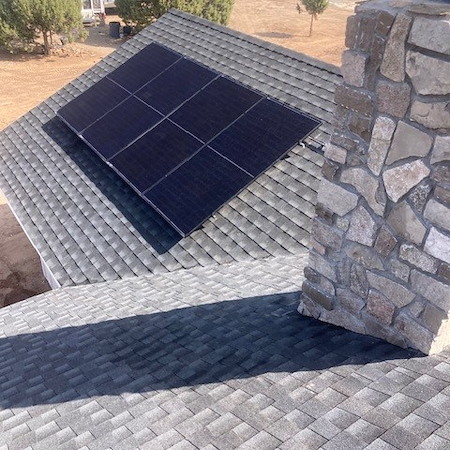
Arizona is bright, dry, and windy. That is great for solar power, but not so great for clean glass. In Prescott, dust from open lots, oak pollen, wildfire soot, and muddy monsoon splatter all build a film that cuts light. If your panels look hazy or your app shows a dip, it is time to plan a smart cleaning schedule with a local pro.
For homeowners who want reliable output without risk, booking a trusted team for professional solar panel cleaning keeps your investment performing. This guide explains a simple, local schedule you can follow in Prescott and nearby areas, plus what to expect when you hire a trained pressure washing specialist.
Why Solar Panels Get Dirty In Prescott, AZ
Prescott sits at higher elevation with four seasons. Spring brings wind and pollen that stick to glass. Summer monsoon cells drop muddy rain that dries into rings. Fall can add leaf dust, and winter storms leave fine grit. Construction traffic on Highway 69 and local dirt roads also kick up powder that drifts onto roofs.
All of that grime scatters sunlight before it reaches the cells. Even a thin film can lower production on peak days. Over time, baked-on spots get harder to remove, and they can shadow small areas of the panel surface. That is why a steady cleaning rhythm matters more here than in milder climates.
How Often Should You Clean Solar Panels In Prescott, AZ?
Most Prescott homeowners do well with two to four professional cleanings per year. The exact timing depends on your roof pitch, tree cover, wind exposure, and how close you are to dirt roads or active building sites. Use this local rhythm as a starting point, then adjust based on your monitoring app.
- Late Spring: A thorough clean before the hottest months helps panels start summer at full clarity.
- Mid to Late Summer: If dust has been heavy, schedule a mid-season touchup to stay ahead of buildup.
- Post-Monsoon: Plan a focused cleaning 1 to 3 weeks after the last big storm pattern fades to clear muddy spots and mineral rings.
- Late Fall: A final pass removes leaf dust and prepares panels for crisp winter sun.
Do not wait for streaks you can see from the curb. Let your performance data guide you. If you notice several sunny days in a row where output is lower than usual for the same temperature and time of year, that is a clear sign that residue is blocking light.
Dust Season vs. Monsoon Season: What Changes
During Dry, Windy Months
From late spring into early summer, wind lifts fine dust that settles evenly across panel glass. This sort of haze reduces clarity little by little. A steady schedule keeps the film from baking on during heat waves. Homes near open fields, ranch roads, or recent landscaping will often see faster buildup.
During Monsoon Bursts
Monsoon cells leave splash patterns and mineral spots that behave differently from dry dust. The splatter rings block small patches of light and can blend with pollen. A dedicated post-monsoon cleaning resets the surface so you do not carry those marks into fall.
Smoke, Ash, and Pollen
Seasonal smoke and oak pollen are light but sticky. They cling to the glass and collect more dust. If you see a yellow cast or gray film after a breezy week, that is a signal to move your cleaning a little sooner on the calendar.
How To Build A Simple Local Cleaning Calendar
Think of your year in four checkpoints tied to Prescott weather. Mark them on your phone now. If a major dust storm or back-to-back monsoon events hit, add one extra visit within two weeks. Your goal is to prevent hard deposits, not chase them later when they take longer to remove.
- May: Baseline cleaning for clear summer output.
- July or August: Mid-season refresh if the wind and construction dust have been active.
- September: Post-monsoon reset to remove splash rings and minerals.
- November: Light cleanup so winter sun works for you.
If your home in Prescott Valley, Chino Valley, or Williamson Valley sits near dirt roads or open lots, plan on the higher end of that range. If you are sheltered by taller homes and paved streets, you may be fine with fewer visits.
Signs Your Panels Need Attention
You do not need to climb a ladder to tell. Watch for these simple cues from the ground and from your monitoring app:
- A steady drop in daily kilowatt-hours on clear days compared to the same month last year
- Visible haze, splash marks, or a dull look when the sun hits the glass at an angle
- Stubborn bird droppings or tree sap near corners and edges
- Heavier dust after a week of wind or nearby grading work
If two or more of these show up, moving your cleaning date up a few weeks can help you recover output before peak heat.
What Professional Cleaning Includes
Solar panels are sensitive equipment. The safest approach uses purpose-built tools and water quality that will not leave film. Skilled pressure washing teams adapt their technique for glass and frames, protect wiring paths, and work with the right flow to lift residue without risk.
Never use high pressure directly on solar glass or seals. Trained technicians are careful around junction boxes, clamps, and cables. They also time service around weather so panels are not scorching hot at the moment of cleaning. That reduces thermal stress and helps the finish look clear and even when they are done.
Production Loss From Dust: What Homeowners Report
When dust and pollen add up, homeowners often notice a measurable dip in output on their apps. It might start small, then grow during stretches of wind or after monsoon splatter dries. The good news is that clarity usually returns right after a thorough cleaning, especially when deposits have not been allowed to bake onto the glass for too long.
Remember that temperature also affects production. Hot panels make a little less power per hour even when they are spotless. That is why comparing similar temperature days year over year gives a clearer picture of what dirt is doing to your system.
Bundle Panel Cleaning With Other Exterior Care
Making one visit do more saves time and keeps the whole property looking sharp. Many homeowners bundle panel service with gentle roof, siding, or driveway care in the same appointment. If you want an easy way to plan your year, ask about pairing your panel visit with our broader residential power washing services so everything stays on a single schedule.
Some properties also benefit from light rinses between deep cleanings. A short maintenance visit can be timed after heavy dust or right at the end of monsoon activity to hold you over until your next full service.
Prescott Neighborhood Factors To Consider
Every block around Prescott is a little different. Homes near the Granite Dells see wind-driven grit. Lots above downtown can collect more pollen when breezes funnel through the pines. New builds in Prescott Valley may see constant fine dust while roads and yards are still going in. Talk with a local team that knows the patterns and will set a plan that fits your roof and address.
Avoid abrasive pads or harsh chemicals that can cloud the glass or harm seals. Panels are a long-term asset. Gentle, informed cleaning protects efficiency and helps keep warranties in good standing.
Safety Matters On Every Roof
Working on pitched roofs in Prescott requires sure footing and the right gear. Moisture, dust, and smooth panel glass make surfaces slick. A professional crew is trained, insured, and set up to work safely so you do not take on that risk yourself.
Do not walk on your panels. It is unsafe and can stress the glass and frames. A trained team reaches all edges the right way and reduces time on the roof by planning the sequence before they start.
Set Your Schedule And Protect Your Investment
You have two goals with solar: steady production and long system life. A clean, clear surface helps both. The easiest path is to set a recurring plan so cleanings happen before buildup becomes stubborn. If you prefer to start with one visit, a post-monsoon reset is an excellent first step, followed by a spring tune-up next year.
For trusted help, you can start with professional solar panel cleaning through a local team that understands our seasons. If you want to learn more about the broader services and history of Precision Powerwash Services, visit solar panel cleaning Prescott AZ to explore how we support homes across the Quad Cities area.
Why Homeowners Choose Precision Powerwash Services
Homeowners around Prescott want clean panels without risk. They value clear communication, careful work around roofing materials common in our area, and a schedule that matches local weather. A well-trained pressure washing specialist brings the right process to protect glass coatings and frames while restoring clarity. Keeping manufacturer guidelines in mind helps protect your warranty and your return on investment.
Ready When The Weather Clears
After the last big monsoon burst or a dusty wind event, do not let spots bake in the sun. A quick response helps you recover clarity and keep production steady heading into fall and winter. Set your next appointment with Precision Powerwash Services and make this season your cleanest yet.
Call us at 928-899-2932 to get on the schedule, or use our short form and we will confirm a convenient time. If you prefer online booking, just mention your roof type and any recent storm activity so our crew can plan the visit around your setup. When you are ready, you can also schedule solar panel cleaning for a date right after the forecast shows a quiet stretch.
Service area: Prescott, Prescott Valley, Chino Valley, and nearby communities within a short drive.
Feel The CleanWith Our Power Washing Specialist In Prescott & Surrounding Areas!